
Build Access Routes That Last Under Daily Use
Driveway and Sidewalk Installation in Cumming for rutted gravel drives, cracked concrete walkways, or properties without paved access
Mountain View Pools LLC installs driveways and sidewalks for residential properties throughout Cumming, Georgia, providing homeowners with paved access that handles vehicle loads and foot traffic without deteriorating. You may have a gravel driveway that develops ruts and requires frequent regrading, a concrete walk that has cracked and become a tripping hazard, or a new construction property that needs paved routes from the street to the house and garage. Driveway and sidewalk installations create durable surfaces using poured concrete or paver systems, both engineered to support weight and resist weather without breaking apart or shifting over time.
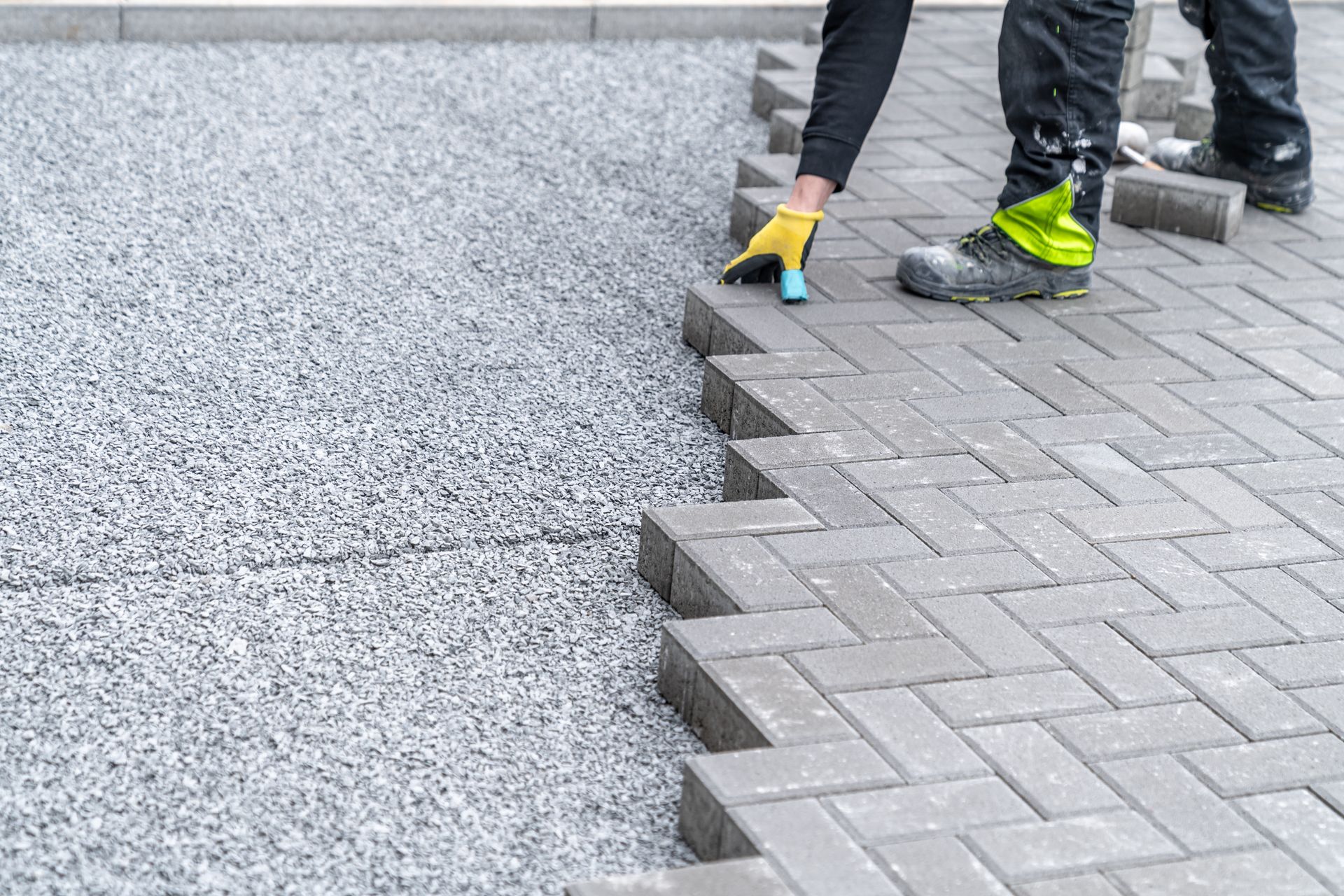
Installation begins with site grading to establish proper slope for drainage and to remove soft or unstable soil. A compacted aggregate base is placed to the required depth based on expected loads, whether passenger vehicles for a driveway or foot traffic for a sidewalk. Concrete installations involve setting forms, placing rebar or wire mesh for reinforcement, pouring and finishing the concrete, and cutting control joints to manage cracking as the material cures. Paver driveways require deeper base preparation and edge restraints strong enough to resist the lateral forces generated by turning tires. Both methods include grading that directs water away from structures and prevents pooling on the paved surface.
If your property lacks reliable access or if existing surfaces have deteriorated to the point where repair is not practical, a site assessment can outline the work required to install a driveway or sidewalk that will perform for years without frequent maintenance.
What Changes After a Driveway or Sidewalk Is Installed
When a driveway or sidewalk is installed correctly, you gain a stable surface that does not require regrading, does not collect standing water, and resists cracking under normal use. A concrete driveway provides a smooth, hard surface that supports vehicle weight without rutting, and control joints allow the slab to expand and contract with temperature changes without developing random cracks. Paver driveways offer similar performance with the added benefit of individual units that can be lifted and relaid if underground utilities need access or if settling occurs in isolated areas.
After installation, you will notice that vehicles no longer kick up gravel or create muddy ruts, and rain drains off the surface instead of forming puddles that freeze or create soft spots. Sidewalks provide a level walking path that remains stable through freeze-thaw cycles common in Cumming winters, reducing trip hazards and making the route accessible regardless of weather. Mountain View Pools LLC pours concrete at thicknesses appropriate for the load, typically four inches for sidewalks and six inches for driveways, and reinforces with steel to prevent cracking from ground movement.
Concrete finishes range from broom-textured for traction to smooth troweled for a clean appearance, and integral color or stamping can be added if you want a surface that matches other hardscape elements. Paver driveways require polymeric sand in joints and edge restraints along the perimeter to prevent spreading. Expansion joints are placed where driveways meet garage floors or sidewalks meet house foundations to allow independent movement without damage. Permits are required for driveway installations that connect to public streets, and inspections verify that base preparation and drainage meet local code.
Questions Property Owners Have About Driveway and Sidewalk Work
Residents in Cumming often ask what causes driveways to crack and how long new installations take to cure before use.
What causes concrete driveways to develop cracks after installation?
Cracks form when control joints are spaced too far apart, when base preparation was inadequate, when concrete was poured too thin for the load, or when water infiltrates and freezes beneath the slab.
How long before you can drive on a newly poured concrete driveway?
Concrete reaches sufficient strength for light vehicle traffic after seven days, but full cure and maximum strength develop over twenty-eight days, so heavy loads should be avoided during that period.
When should you seal a concrete driveway or sidewalk?
Sealing is recommended six months to a year after installation, once the concrete has fully cured and any surface moisture has evaporated, to protect against staining and moisture intrusion.
Why do some paver driveways develop uneven sections over time?
Unevenness occurs when base compaction was insufficient, when edge restraints were not installed or have failed, or when heavy vehicles are driven over areas designed only for lighter loads.
How does clay soil in Cumming affect driveway installation?
Clay soils expand when wet and shrink when dry, requiring deeper aggregate base layers and proper drainage design to prevent the base from shifting and causing the driveway surface to crack or settle.
Mountain View Pools LLC prepares each site to meet load requirements and drainage standards, ensuring your driveway or sidewalk will handle daily use without premature failure. If your property needs paved access or if existing surfaces have become unsafe, a project plan can outline the construction sequence and expected timeline.