
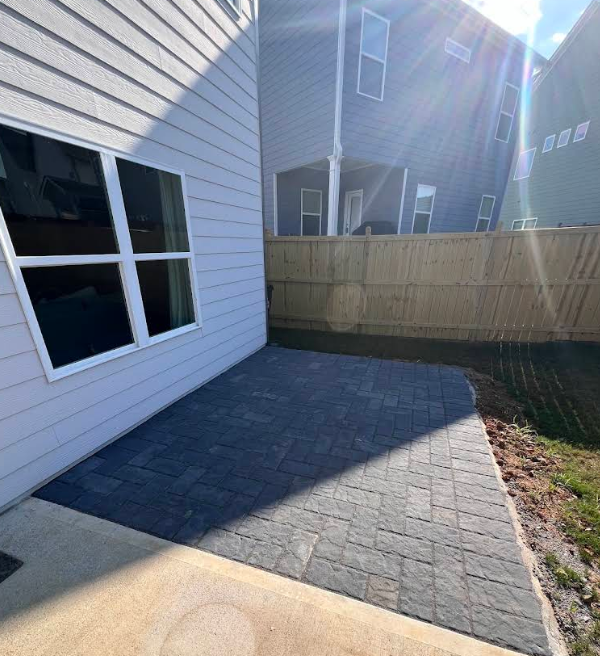
Define Outdoor Zones With Permanent Structural Features
Hardscaping in Cumming for slopes that erode, undefined seating areas, or yards that lack usable outdoor living zones
Mountain View Pools LLC builds hardscape features throughout Cumming, Georgia, for homeowners who need outdoor spaces that hold up to weather and use without shifting or washing away. You may have areas where soil erodes after rain, where grass will not grow near the pool, or where you want permanent seating or gathering spots but lack level ground. Hardscaping creates structure using materials like stone, concrete, and pavers to form retaining walls, patios, fire pit surrounds, outdoor kitchens, and pathways that organize your yard into functional zones. These elements define where people walk, sit, and gather while reducing the amount of lawn that requires mowing and irrigation.
A hardscape project begins with grading and base preparation to ensure stable support beneath the finished surface. Retaining walls are built when slopes need to be held back or when you want to create level terraces in a sloped yard. Seat walls double as both structure and seating, often installed around fire pits or along the edge of a patio. Pathways connect different areas of the yard, keeping foot traffic off planted beds and reducing mud tracked indoors. Materials are selected based on how the space will be used, what matches your home exterior, and what performs well in local soil and drainage conditions.
If your backyard lacks clear zones or if erosion has made portions of your property difficult to maintain, a site visit can outline which hardscape elements will provide the most functional improvement.
How Hardscape Features Change Yard Usability
When hardscaping is installed, you gain outdoor surfaces that remain stable and accessible regardless of weather. A patio provides a level area for furniture that does not sink into grass or collect standing water. Retaining walls hold soil in place on slopes, preventing washouts and creating terraced planting beds or flat areas for seating. Steps and pathways let you move between different elevations without erosion or slipping on bare soil. Seat walls around a fire pit or outdoor kitchen give guests a place to sit without hauling chairs across the yard.
After installation, you will notice that outdoor furniture stays in place, foot traffic no longer wears bare spots in the lawn, and rainwater drains predictably instead of pooling or cutting channels through your yard. Materials like natural stone, brick, or cast pavers are set on compacted aggregate base and secured with edge restraints so they do not shift under load. Mountain View Pools LLC grades each site to direct runoff away from structures and ensures base layers are compacted to density standards that prevent settling.
Hardscape projects often coordinate with pool installations or landscape renovations to create a unified outdoor layout. If you are adding a pool, the hardscape work may include expanding the deck, building steps down to the pool entry, or constructing a retaining wall to level the surrounding yard. These elements are typically installed after major excavation is complete but before final grading and planting. Permitting requirements depend on wall height and proximity to property lines.
Common Questions About Residential Hardscaping
Property owners in Cumming often ask how hardscape materials compare and what site conditions affect installation methods.
What determines whether a retaining wall requires engineering?
Walls taller than four feet, walls supporting steep slopes, or walls near structures typically require engineered designs and permits to ensure they resist soil pressure and drain properly.
How do you prevent hardscape surfaces from settling over time?
Proper base preparation involves excavating to stable soil, placing and compacting aggregate base in lifts, and using edge restraints to lock pavers or stones in place so they resist shifting under traffic.
When should you install drainage behind a retaining wall?
Every retaining wall needs drainage to prevent hydrostatic pressure from building up behind the structure, which can cause bulging, cracking, or wall failure during wet periods common in Cumming.
Why do some patios develop uneven sections after installation?
Uneven settling occurs when base material was not compacted uniformly, when subgrade was not stable, or when water infiltrates through joints and washes out bedding sand beneath pavers.
How does soil type affect hardscape installation?
Clay soils in Cumming retain water and expand, requiring deeper base layers and better drainage design to prevent movement, while sandy soils drain freely but may need additional compaction to achieve stable density.
Mountain View Pools LLC evaluates slope, drainage, and soil conditions during site planning to determine which hardscape features will perform reliably without ongoing maintenance. If your yard has areas that flood, erode, or lack usable space, a hardscape plan can outline which improvements will provide lasting function and access.